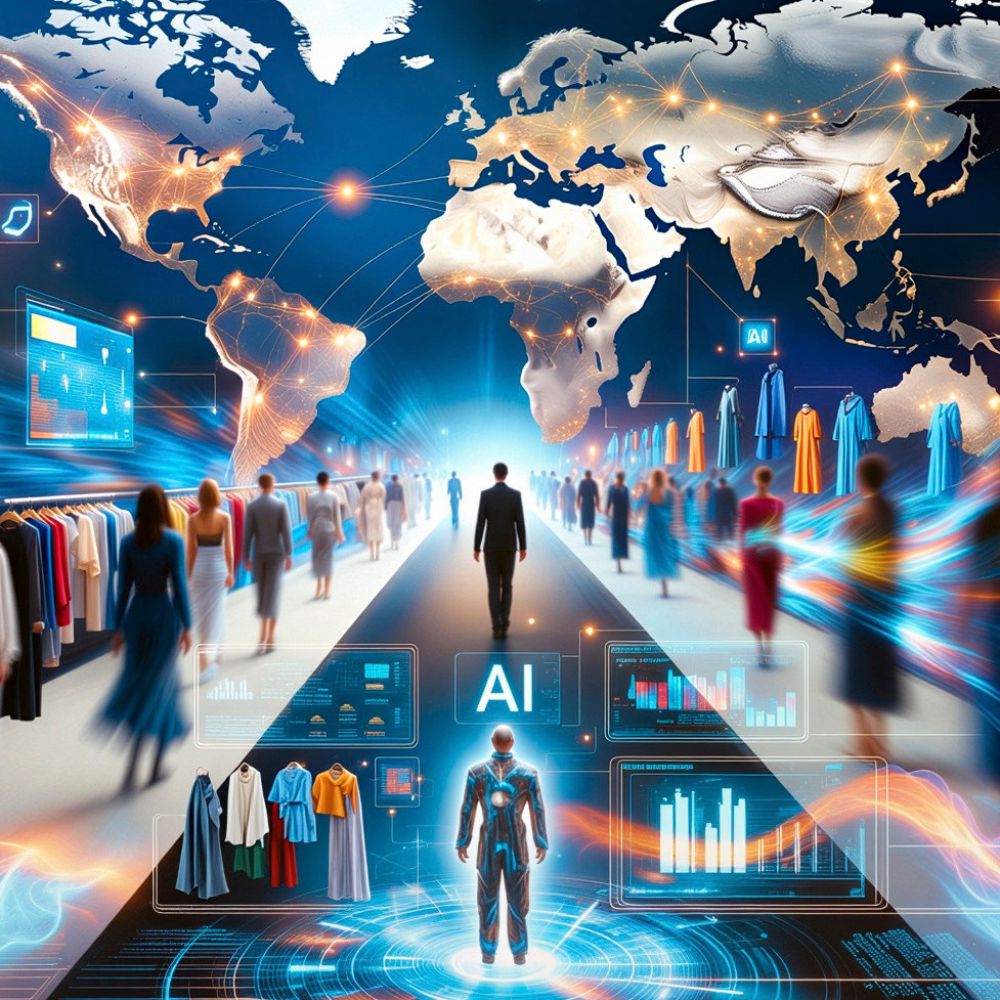
As fashion cycles shrink and consumer expectations around speed, choice, and availability intensify, fashion supply chains are undergoing a fundamental reset. The shift is moving away from forecast-heavy, linear models toward agile, demand-led ecosystems powered by real-time data, AI-driven planning, automation, and omnichannel orchestration. This interview with Sheshadri PV, Executive Vice President, Reliance Retail, explores how large-scale fashion retailers are rearchitecting supply chains to deliver continuous freshness, operational agility, and sustainable growth in an increasingly complex market environment.
Fashion cycles are shrinking, and consumer expectations are rising. How are you restructuring your supply chain to deliver speed, flexibility, and constant freshness without compromising efficiency?
As fashion cycles compress and expectations around speed and freshness rise, we are shifting from a forecast-driven push model to a demand-responsive, agile supply chain, with a strong focus on re-architecting our distribution network and execution capabilities. We are adopting dynamic, data led planning, using real-time sell-through, regional demand signals, and AI-driven replenishment. Inventory is now deployed in smaller, faster cycles, enabling in-season to refresh while maintaining efficiency.
Operationally, we are building an agile, responsive supply chain. Direct Store Delivery (DSD) accelerates fast fashion replenishment, while cross-docking and flow-through models reduce dwell time for trend-sensitive categories. RFID-enabled visibility, combined with targeted automation which includes automated shuttles, sortation, pick-to-light systems, and conveyors enhances efficiency. AI-driven slotting and inventory optimization further allow us to handle higher SKU complexity and frequent drops with speed, accuracy, and cost discipline. Our focus remains on building a digitally enabled, automated distribution backbone that delivers freshness, responsiveness, and sustainable profitability in a volatile fashion landscape.
From AI-driven forecasting to RFID-enabled visibility and digital twins in production—what digital interventions are creating the most meaningful transformation in your end-to-end supply chain?
We are moving beyond historical forecasting to AI models that ingest real-time sales, promotions, regional trends, and social signals. Digital twins of Automated warehouses help simulate capacity, lead times, and bottlenecks before orders are placed. Item level RFID across DCs, and stores delivers near-real-time inventory accuracy. This unlocks faster stock turns, improved replenishment, reduced shrinkage, and omnichannel capabilities like ship-from-store and endless aisle. Warehouse automation, combined with AI-based slotting and labor optimization—improves throughput, reduces fulfilment time, and supports scalable peak operations with lower operating cost per unit.
With sustainability becoming non-negotiable, how are you embedding circularity, responsible sourcing, and low-impact materials into your supply chain design and execution?
Sustainability is deeply embedded into our design-to-delivery workflow.At the upstream level, we are increasing adoption of certified, recycled, and low-impact materials, supported by digital traceability platforms that track origin, compliance, and environmental impact. Downstream, we are enabling circularity through better demand planning, reduced waste, recyclable packaging, and recycling using data to measure and continuously improve our environmental footprint.
With online, D2C, and physical retail converging, how are you reengineering inventory planning, fulfilment, and last-mile operations to deliver seamless customer experiences?
Being focussed omnichannel retailer, D2C, and physical retail converge, we are reengineering our supply chain around an omnichannel first operating model rather than separate channel silos.
On inventory planning, we operate a single, unified inventory pool across stores, DCs, and dark stores, enabled by real-time visibility. Allocation and replenishment are driven by micro-market demand signals, online browsing behaviour, and store-level sell-through, allowing inventory to flow dynamically to the channel where demand is strongest.
For fulfilment, we are adopting a hybrid fulfilment network leveraging central DCs for scale, stores for proximity, and select dark stores for speed. Capabilities like ship-from-store, click-and-collect, endless aisle, and store-to-store transfers help us reduce delivery times while improving inventory productivity.
In last-mile operations, we are partnering with multiple logistics players and using intelligent order orchestration to choose the optimal fulfilment node based on promise date, cost, and capacity. This enables faster deliveries, flexible customer options, and controlled costs especially critical in India’s diverse urban and tier-2/3 markets.
Overall, the focus is on building a responsive, tech-enabled supply chain that delivers speed, availability, and convenience to customers without locking excess inventory into any single channel.
If you had to envision the fashion supply chain of 2030, what is the single biggest transformation you believe will define the industry—and how are you preparing for it today?
By 2030, In India, nearly 65% of the population will be under the age of 35, with a significant share below 30. This young, aspirational demographic is highly trend-conscious and values frequent newness, affordability, and speed making India one of the most attractive markets for fast fashion globally. Fashion supply chains will no longer be built around long seasonal forecasts and large upfront commitments. They will be designed to sense consumer demand in near real time, respond at speed, and extend value across the entire product lifecycle. The single biggest transformation will be the shift from a forecast-driven, linear supply chain to a real-time, demand-led and circular ecosystem.
How we are preparing today:
- Moving from push to pull through AI-enabled demand sensing, real-time sell-through data, and rapid replenishment models
- Re-engineering our sourcing and distribution network to shorten lead times and enable faster test-and-scale cycles
- uilding end-to-end digital visibility using RFID and control-tower capabilities for dynamic inventory orchestration.
- Embracing new technology and automation to ensure 100% of the throughput is catered through Automation.
- Embedding circularity into supply chain design—responsible sourcing, low-impact materials, and reverse logistics for resale and recycling
- Strengthening resilience through multi-sourcing, regional diversification, and scenario-based planning
The fashion supply chain of 2030 will be defined by intelligence, agility, and sustainability, and we are deliberately investing in these capabilities today to stay ahead of the curve.


 Categories