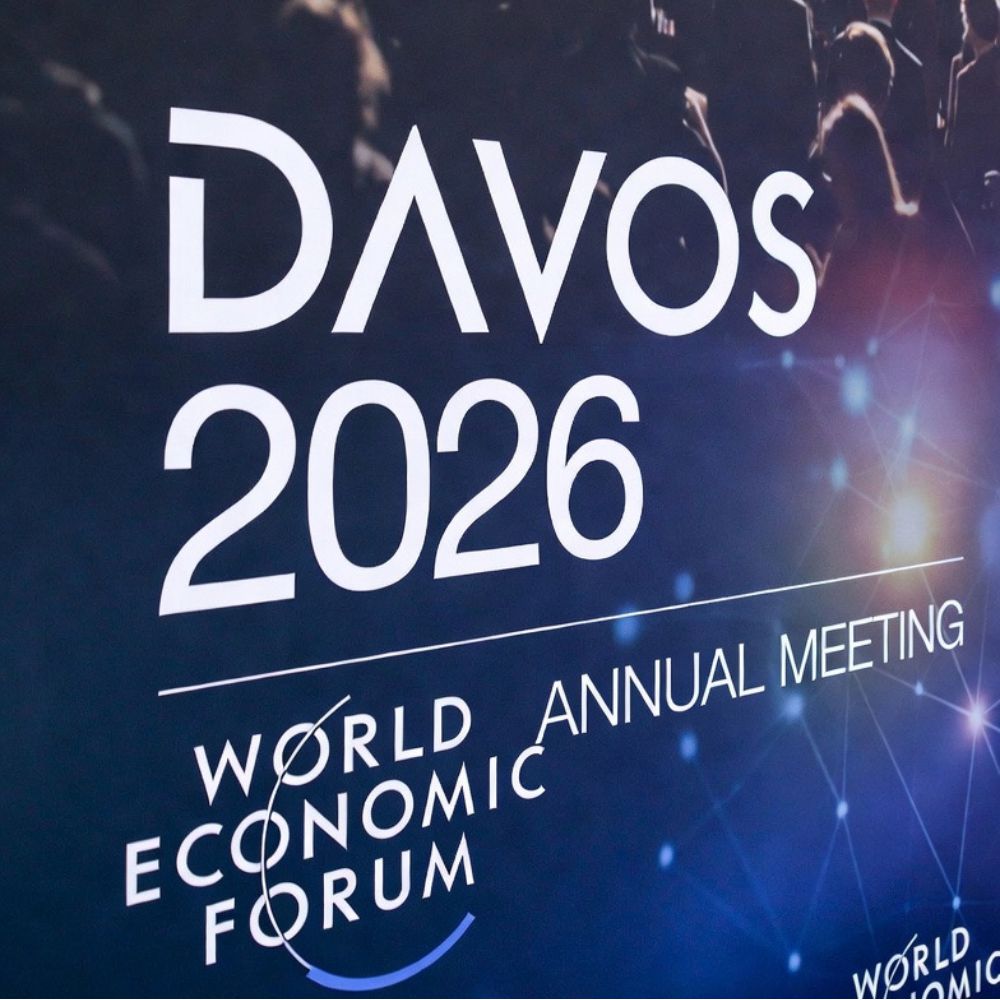
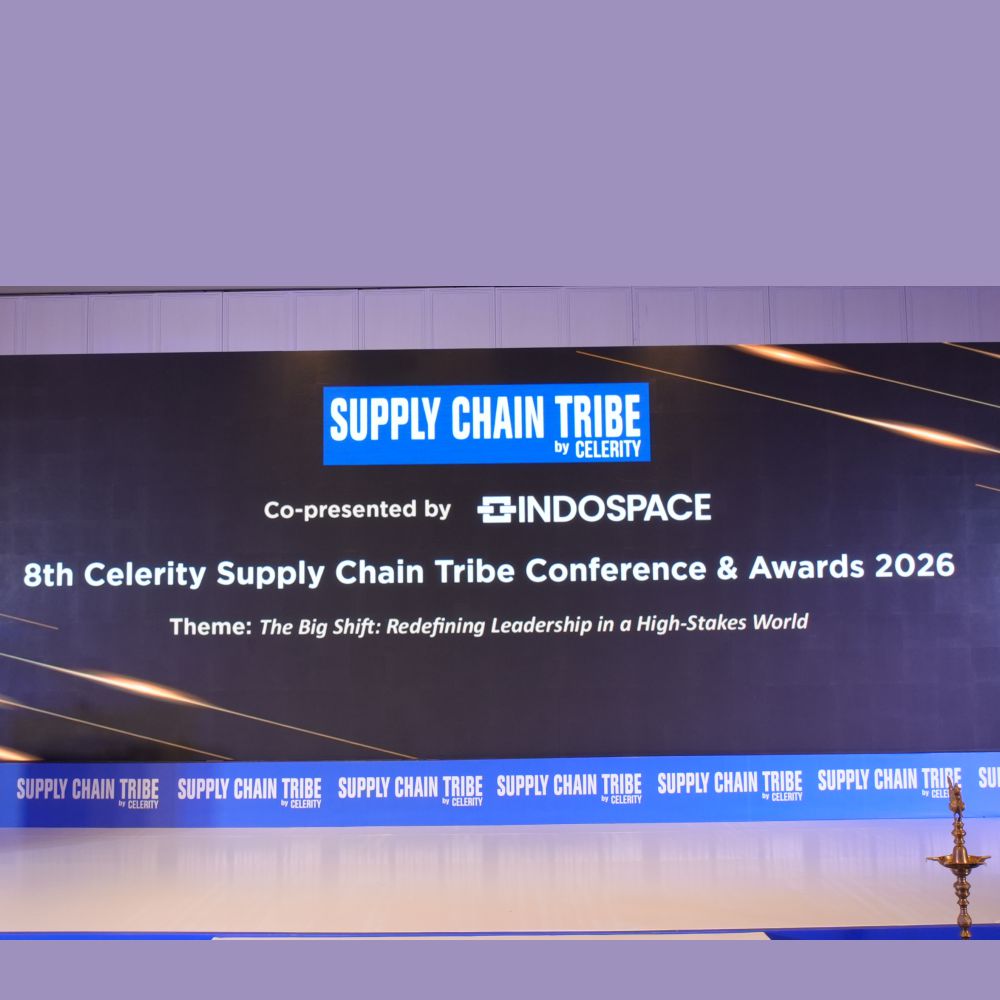
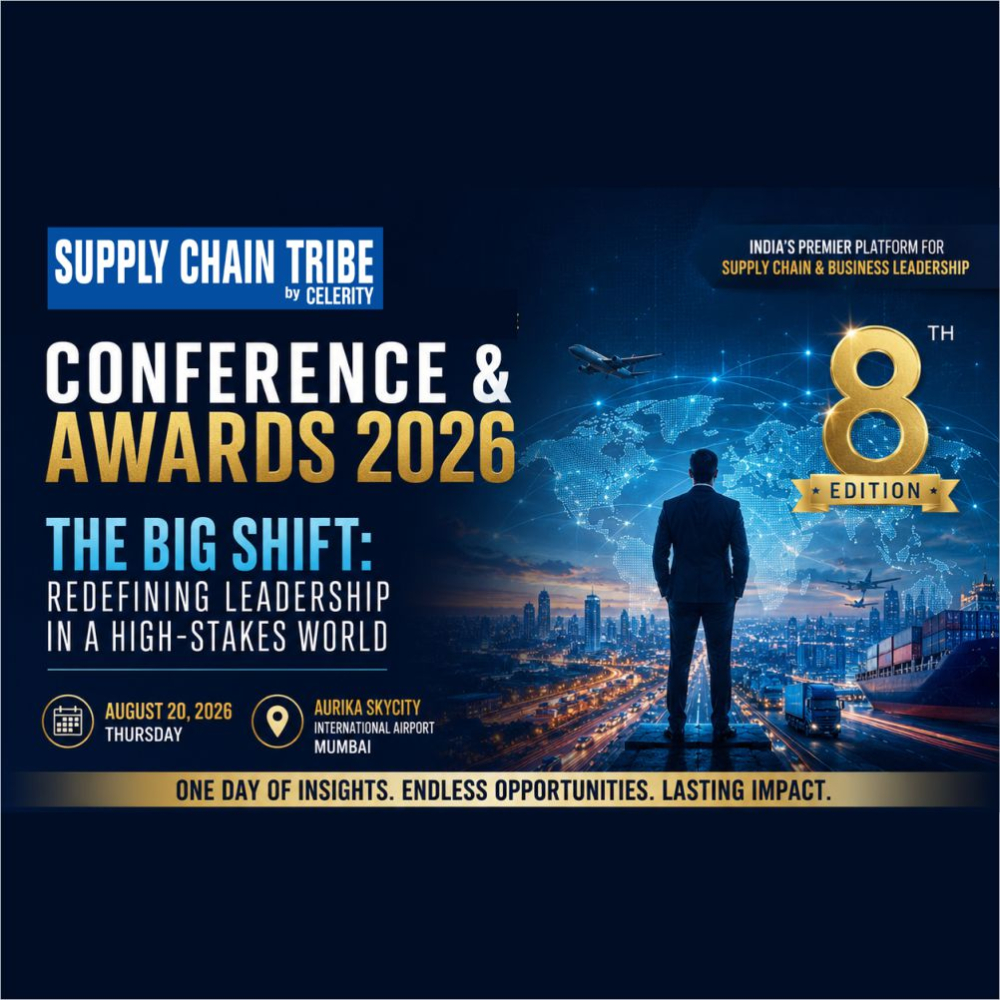
At Davos 2026, global leaders confronted a world no longer defined by temporary disruption but by structural volatility — where geopolitics, trade, technology and climate are interlinked, recurring forces shaping economic reality. The 56th World Economic Forum Annual Meeting, held under “A Spirit of Dialogue”, marked a shift from diagnosing global problems to orchestrating systemic responses. Across the alpine halls of Davos, connected conversations on supply chains, digital transformation, geopolitical dynamics and leadership revealed that dialogue must now evolve into delivery — coordinated, coherent action that closes the gap between intent and implementation in a fractured global order.
Davos 2026 unfolded in a world beset by overlapping challenges: geopolitical tension, shifting trade frameworks, climate imperatives and the accelerating force of artificial intelligence. The mood was neither triumphalist nor alarmist, but starkly realistic. Leaders acknowledged that volatility — once viewed as temporary — is now the baseline condition of global economic life. Underlying the forum’s theme was an unspoken consensus: the era of negotiated stability has given way to an era of managed flux. This perspective aligns with the “Structural Volatility” framing emerging from the Forum’s research and expert commentary, which argues that disruption is no longer episodic but enduring, reshaping how companies and countries organise trade and production.
SUPPLY CHAINS REIMAGINED
Across sessions and closed-door dialogues at Davos 2026, the reconfiguration of global supply networks emerged as one of the most urgent narratives. Leaders and executives were broadly aligned that supply chains can no longer be optimised primarily for cost efficiency and speed. Instead, they must now be architected for endurance, flexibility and continuous recalibration. The decades-long focus on ‘Just-In-Time’ logistics — once a source of lean operations and competitive advantage — has increasingly given way to models that value diversification, redundancy and responsiveness as strategic strengths.
Discussions highlighted a growing shift towards multi-country sourcing, regional manufacturing clusters and near-shoring strategies that reduce overdependence on any single geography. At the same time, digital transformation is becoming the backbone of modern supply chains. Advanced analytics, real-time visibility platforms, predictive risk modelling and AI-enabled demand forecasting are enabling companies to anticipate disruptions and respond dynamically. Supply chains are evolving from linear flows of goods into intelligent ecosystems capable of sensing vulnerabilities and rerouting operations in real time.
Experts at the Forum underscored that climate volatility, resource scarcity and regulatory shifts are now frequent disruptors rather than rare events. Floods, droughts, energy shortages and transport bottlenecks have repeatedly demonstrated how quickly production and distribution systems can stall. As a result, supply chain design is increasingly viewed as a core pillar of business resilience and economic stability.
What became clear at Davos is that supply chains are no longer passive conduits between suppliers and consumers. They have transformed into strategic assets that influence competitiveness, investor confidence and long-term growth. The recurring message across panels and reports was that future-ready supply chains must balance efficiency with structural robustness — capable of absorbing shocks while continuing to deliver at scale.
TRADE IN A CONTESTED WORLD
Trade discussions at Davos 2026 reflected the same emphasis on adaptability over rigidity. While political rhetoric from some quarters pointed towards fragmentation through tariffs and unilateral measures, the economic dialogue was far more pragmatic. Rather than forecasting the collapse of global trade, leaders focused on how trade systems are transforming in response to rising complexity.
A dedicated World Economic Forum analysis highlighted that trade is changing shape rather than shrinking, driven by technological innovation, evolving regulations and new forms of cross-border cooperation. Digital trade platforms, automated customs processes, blockchain-enabled documentation and integrated logistics networks are reducing friction and allowing commerce to continue even as regulatory environments grow more complex.
World leaders and corporate executives acknowledged that traditional multilateral frameworks are under strain, often struggling to keep pace with rapid economic shifts. However, rather than signalling retreat, discussions emphasised the resilience of trade flows through bilateral agreements, regional partnerships and sector-specific arrangements that are filling gaps left by slower global consensus.
Private-sector collaboration was also highlighted as a critical stabiliser of global commerce. Strategic logistics alliances, shared infrastructure investments and technology-enabled transparency are helping businesses navigate regulatory divergence and supply disruptions. Increasingly, standards around sustainability, compliance and traceability are shaping market access, making operational excellence as important as diplomatic alignment.
INDIA’S PRESENCE AND EMERGING NARRATIVE
At Davos 2026, India’s presence was both substantive and strategic, reflecting a clear evolution in how the country is positioned within global economic conversations. No longer viewed primarily through the lens of growth potential or demographic advantage, India was increasingly discussed as a reliable partner in reconfigured global supply chains and trade ecosystems. Indian policymakers and corporate leaders were deeply engaged in central debates on resilience, industrial transformation and the future of global value chains, signalling India’s growing role in shaping — not just participating in — global economic restructuring.
A defining supply-chain message came from Union Minister Ashwini Vaishnaw, who articulated India’s shifting role in global production networks in direct terms: “Global industry sees Bharat as an increasingly reliable supply-chain partner.” He elaborated that this confidence stems from India’s rapid progress in building complete industrial ecosystems rather than isolated manufacturing capacity, particularly across electronics and semiconductors — from design and fabrication to packaging, materials and equipment — enabling deeper integration into global value chains.
Beyond advanced technology sectors, the broader narrative emphasised India’s transition from being a participant in global supply chains to becoming a value-chain partner. Indian leadership underscored that the ambition is not merely to host manufacturing activity, but to co-create, co-design and innovate alongside global firms. This framing resonated strongly with multinational companies seeking diversified, stable and scalable production bases in an era of constant disruption.
Global corporate leaders echoed this evolving perception. Speaking on India’s growing role in electronics manufacturing and supply networks, Qualcomm CEO Cristiano Amon highlighted how companies are increasingly expanding both production and innovation footprints in India as part of broader diversification strategies away from concentrated legacy hubs. His remarks reflected a wider corporate movement toward embedding India within critical technology and manufacturing value chains.
Industry leaders further underlined India’s adaptability amid global disruptions. Rajiv Memani, Chairman & CEO, EY India and President of the Confederation of Indian Industry (CII), captured the sentiment emerging at Davos when he observed, “Relative to what’s happening in the rest of the world, the India story is becoming more and more resounding.” While framed around macroeconomic strength, the comment reflected India’s growing credibility across manufacturing, logistics and trade — qualities increasingly valued in supply-chain strategy.
Post-Davos commentary reinforced that India was discussed not as a future possibility but as an active component of global economic restructuring, particularly across manufacturing, clean energy, logistics and digital services. The emphasis consistently returned to execution — India’s ability to translate reforms, infrastructure investments and digital platforms into tangible industrial capability.
Overall, India’s presence at Davos 2026 reflected a maturing global perception. The country is no longer simply a destination for investment or outsourcing, but a strategic player in the redesign of global economic systems — increasingly valued for resilience, scale, ecosystem depth and delivery capacity.
TECHNOLOGY AND THE AI INFLECTION POINT
Technology — and artificial intelligence in particular — emerged as a defining force shaping the Davos 2026 agenda. Unlike previous years, where AI was often framed in experimental or futuristic terms, the tone this year was distinctly operational. Leaders acknowledged that AI has moved beyond pilot projects into a core driver of productivity, competitiveness and economic restructuring. Across sessions, CEOs and policymakers emphasised that the next wave of value creation will come not from adopting AI tools alone, but from deeply integrating intelligence into business processes, supply chains and decision-making frameworks. Predictive logistics, real-time inventory orchestration, automated manufacturing systems and data-driven compliance were frequently cited as areas where AI is already reshaping global commerce.
At the same time, conversations reflected heightened awareness of AI’s social impact. International institutions warned of significant workforce disruption if reskilling efforts do not keep pace with automation. The prevailing view was that the AI revolution will be defined as much by governance, ethics and talent transformation as by technological breakthroughs. Overall, Davos underscored that technology will increasingly act as the connective layer linking supply chains, trade systems and sustainability goals — making digital maturity a foundational capability for future competitiveness.
SUSTAINABILITY MOVES FROM ESG TO ECONOMIC STRATEGY
Sustainability at Davos 2026 underwent a notable reframing. Rather than being treated primarily as an environmental or reputational obligation, it was increasingly discussed as a core driver of economic resilience and competitiveness. Climate volatility, water scarcity, energy security and resource constraints were consistently linked to supply-chain stability, investment flows and long-term growth.
Leaders across industries acknowledged that environmental disruptions are now among the most frequent causes of operational shocks. From floods halting logistics corridors to energy shortages affecting manufacturing hubs, climate risks have become immediate business realities. As a result, sustainability has moved firmly into strategic planning rather than remaining a compliance exercise.
Discussions focused on embedding sustainability directly into operations — through renewable energy integration, circular supply chains, resource-efficient manufacturing and transparent emissions tracking. These measures were framed as essential to securing continuity, managing risk and meeting evolving regulatory and investor expectations.
At a broader level, Davos reinforced that sustainability performance will increasingly influence access to markets and capital. Trade frameworks, investment decisions and supply-chain partnerships are progressively factoring in carbon intensity, resource efficiency and traceability metrics. Companies that integrate environmental resilience into core strategy will be better positioned to compete in a constrained and volatile global economy.
FROM INTENT TO EXECUTION
Perhaps the most consistent theme of Davos 2026 was the shift from dialogue to delivery. Unlike previous years — when summits often showcased ambition and vision — conversations this year were grounded in the operational realities of execution. How do leaders translate approvals into production? Commitments into infrastructure? Data into real economic value? Davos repeatedly surfaced the view that coordination across policy, investment, technology and infrastructure is where global solutions will be found — not in isolated pledges. This focus on execution was reflected not just in speeches and panels but also in analyses emerging from the Forum. Observers noted that the challenge for global leaders now is to convert alignment into action, catalysing cross-sector partnerships that rewire supply chains, optimize trade frameworks and embed sustainability into core economic strategy.
WHAT DAVOS MEANT FOR INDIA INC
For India Inc, Davos 2026 was a moment of validation and opportunity. The Forum reaffirmed India’s arrival on the global stage as a credible partner — not just in growth metrics but in strategic resilience. Indian business leaders and policymakers highlighted that the country’s strength lies in its demographic scale, digital infrastructure and expanding role in global technology and supply networks. Engagements with global logistics firms, technology conglomerates and investors underscored confidence in India’s long-term potential across logistics, infrastructure and digital ecosystems.
The emphasis on structural volatility at Davos means that Indian companies must now prioritize adaptive supply chains, resilient manufacturing footprints, and integrated technology platforms. For Indian executives, success in 2026 and beyond will be measured by how effectively firms convert strategic intent into operational capability — across skills, industrial ecosystems and global partnerships. In a world where disruption is the default, the ability to deliver, not just declare, will define leadership.
The article has been crafted from secondary sources.


 Categories