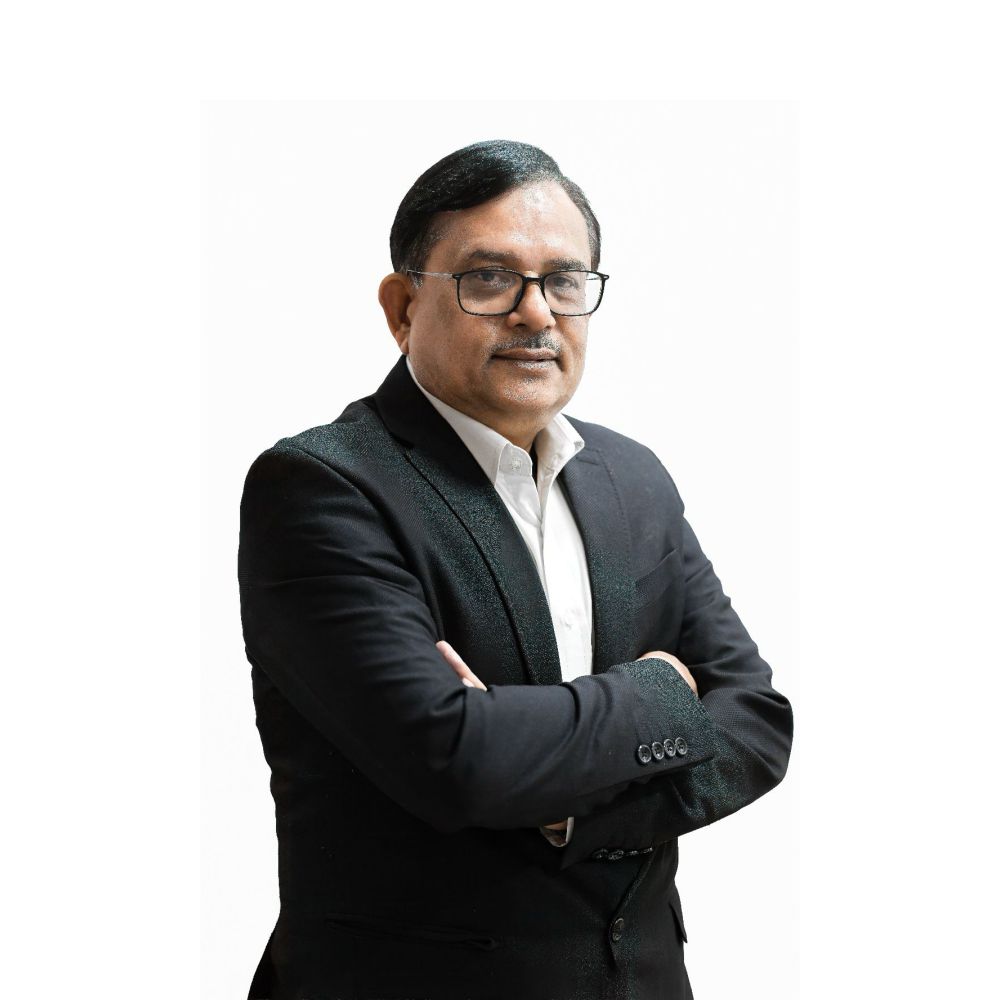
Sustainability is shifting from a parallel agenda to the foundation of how the automotive ecosystem operates—reshaping governance, supplier accountability, and supply chain decisions. Ajay Kumar, CPO & AVP Commercials, MTA Group (MT Autocraft | Crystal precision | EMTC), shares how this transition is driving a move from intent to execution, where measurable outcomes, ecosystem collaboration, and operational integration will define long-term competitiveness.
Sustainability is increasingly becoming a system-wide priority rather than an individual initiative. How is this shift reshaping decision-making, governance, and accountability across the automotive value chain?
The automotive industry is at a decisive inflection point where sustainability is no longer a parallel agenda—it is becoming the operating system of the entire ecosystem. Leading OEMs such as Maruti Suzuki, Mahindra & Mahindra, and Hyundai Motor Company are embedding sustainability into their core strategies and cascading expectations across the value chain in a far more structured and measurable way.
This shift is fundamentally redefining governance and accountability. Sustainability is increasingly integrated into supplier evaluations, sourcing decisions, and long-term investments. For Tier 1 suppliers like us, it is no longer optional—it is becoming the license to operate. What is particularly significant is the transition from intent to enforcement. While universal mandates are still evolving, OEMs have begun embedding sustainability parameters into procurement frameworks, creating a new layer of accountability where performance is measured not just on cost, quality, and delivery, but also on environmental responsibility and long-term alignment.
How is your organization moving beyond compliance to embed sustainability into core business strategy, operations, and leadership KPIs?
At MT Autocraft, sustainability has evolved from a compliance requirement to a core strategic priority that shapes our long-term direction. Our ambition to achieve zero emissions by 2027 is central to this shift and is influencing both investments and operational decisions. We are actively transitioning toward renewable energy, particularly solar power, to meet a growing share of our energy requirements, while simultaneously driving efficiency across plants through process optimization and technology upgrades. These initiatives are closely linked to operational excellence, ensuring that sustainability and efficiency move together rather than in isolation.
Beyond manufacturing, we are extending our efforts across the broader operational ecosystem, including the gradual transition of our internal fleet from ICE to electric vehicles. Importantly, sustainability is embedded into leadership KPIs, ensuring ownership across functions such as procurement, operations, and supply chain. This integrated approach ensures that sustainability is not treated as a siloed initiative but as a core element of business strategy.
Scope 3 emissions remain the most complex challenge. What practical steps are needed to drive accountability and measurable progress across multi-tier supply chains, especially including Tier 2 and Tier 3 partners?
Scope 3 emissions represent the most complex and critical dimension of the sustainability journey. For Tier 1 suppliers, a significant portion of emissions lies beyond direct operations, spanning Tier 2 and Tier 3 suppliers, logistics providers, and service partners. While OEMs are driving the agenda at the top, adoption at deeper tiers remains nascent due to capability constraints and limited resources.
Addressing this challenge requires a collaborative and phased approach. The first step lies in building awareness and engaging suppliers meaningfully, helping them understand both the importance of sustainability and the pathways to achieve it. This must be supported by capability-building initiatives that equip partners with tools and frameworks for measuring and managing emissions.
Equally important is adopting realistic timelines and incremental progress. Rather than imposing immediate compliance, a gradual transition supported by standardized reporting and improved data transparency can drive more sustainable outcomes. Ultimately, meaningful progress on Scope 3 emissions will depend on how effectively the ecosystem moves together, rather than how quickly individual players advance in isolation.
How is sustainability influencing supply chain decisions—from sourcing and supplier selection to localization and network design—and how do you balance cost competitiveness with sustainability commitments?
Sustainability is increasingly shaping supply chain decisions across sourcing, supplier selection, and logistics planning. Environmental considerations are now part of the evaluation matrix alongside traditional parameters such as cost, quality, and delivery. Supplier selection is gradually incorporating factors such as emissions footprint, energy practices, and long-term sustainability alignment. At the same time, logistics and network design decisions are beginning to account for carbon impact, driving greater focus on localization, route optimization, and efficient network configurations.
Balancing sustainability with cost competitiveness remains critical, particularly in a price-sensitive market like India. However, the industry is moving toward a more integrated perspective, recognizing that sustainability and efficiency are not mutually exclusive. The conversation is shifting from cost versus sustainability to cost with sustainability, where long-term value is created by aligning both. Over time, sustainable practices are expected to enhance resilience, reduce risks, and deliver efficiency gains, making them economically viable.
Where are you seeing the strongest business impact from sustainability initiatives today—cost efficiency, risk mitigation, innovation, or revenue growth? How are you measuring this impact?
The business impact of sustainability initiatives is already evident across multiple dimensions. One of the most immediate benefits is cost efficiency, particularly through energy optimization and the adoption of renewable energy, which are delivering measurable savings over time. At the same time, sustainability-driven process improvements are enhancing operational efficiency, improving resource utilization, and reducing waste. There is also a strong element of risk mitigation, as alignment with OEM sustainability expectations is becoming critical for maintaining and expanding business relationships.
These impacts are measured through a combination of metrics, including reductions in energy consumption and carbon emissions, cost savings achieved through efficiency initiatives, and adherence to OEM-defined sustainability benchmarks. Together, these indicators provide a balanced view of both environmental and business performance.
What role do digital technologies and data transparency play in enabling traceability, real-time decision-making, and effective sustainability management?
Digital technologies are playing a pivotal role in making sustainability more measurable and actionable. One of the key challenges historically has been the lack of reliable and timely data, which limited effective decision-making. This is now being addressed through digital enablement. Real-time monitoring systems and advanced analytics are enabling organizations to track energy consumption, emissions, and resource usage with greater accuracy. This enhances internal decision-making while also improving traceability across the supply chain, providing better visibility into upstream and downstream impacts.
Data transparency is particularly important in aligning stakeholders across the ecosystem. As reporting becomes more standardized and accessible, it enables better collaboration, accountability, and progress tracking. In this context, digitalization is not just an enabler but a critical accelerator of sustainability transformation.
Collaboration is critical in a fragmented ecosystem. What models or approaches are most effective in aligning OEMs, suppliers, logistics partners, and smaller stakeholders toward common sustainability goals?
In a fragmented ecosystem like automotive manufacturing, collaboration is essential for driving meaningful sustainability outcomes. The most effective approach combines clear direction from OEMs with active support for suppliers across the value chain. A partnership-led model works far better than a compliance-driven one. This involves structured supplier engagement, knowledge sharing, and joint initiatives that help build capabilities across the ecosystem. Smaller suppliers, in particular, require targeted support to overcome resource and capability constraints. By aligning goals and creating shared accountability, the ecosystem can move forward collectively. Sustainability, in this sense, becomes a shared journey rather than an individual responsibility, enabling broader and more consistent adoption across all tiers.
Looking ahead, what will define leadership in a sustainable automotive ecosystem over the next 5–10 years, particularly in markets like India where ambition and execution often diverge?
Over the next decade, leadership in the automotive ecosystem will be defined by execution rather than intent. While many organizations have articulated ambitious sustainability goals, the real differentiator will be the ability to translate these commitments into measurable and scalable outcomes.
This will require integrating sustainability into core business strategy, aligning multi-tier supply chains, and ensuring consistent implementation across operations. In markets like India, where ambition is high, but execution can vary, the ability to operationalize sustainability at scale will be particularly critical. Sustainability is rapidly becoming the baseline rather than a differentiator. Organizations that act early, invest decisively, and collaborate effectively will not only meet evolving expectations but also shape the future of mobility.
Can you share a specific sustainability initiative or case study where your organization delivered measurable environmental and business impact? What were the key enablers, challenges, and lessons learned?
A key initiative at MT Autocraft has been the transition toward renewable energy, particularly solar power, across our manufacturing operations. This has resulted in a measurable reduction in carbon emissions while also delivering long-term cost benefits through lower energy expenditure. The success of this initiative has been driven by strong leadership commitment, strategic investments, and cross-functional alignment. At the same time, challenges such as initial capital requirements and system integration had to be carefully managed. The broader lesson is that sustainability delivers maximum impact when approached with a long-term perspective. Beyond environmental benefits, it enhances operational efficiency, strengthens


 Categories